Routine servicing
Disassembly, inspection, controlled cleaning, lubrication at the correct points, reassembly, regulation and functional checks for suitable mechanical movements.
Independent York watchmaker
Elvarinothessaria repairs, services and restores wristwatches, pocket watches, mantel clocks, carriage clocks and longcase movements with a conservation-minded approach. Every job begins with inspection, an explained scope of work and a practical plan for preserving the timepiece.
What reaches our bench
Repairing a modern wristwatch and stabilising a century-old clock are not the same task. We adapt the method to the movement, materials, condition, previous repairs and intended use instead of forcing every piece through a fixed service package.
Disassembly, inspection, controlled cleaning, lubrication at the correct points, reassembly, regulation and functional checks for suitable mechanical movements.
Investigation of stopping, poor winding, weak power reserve, irregular striking, hands fouling, worn components and other mechanical faults before repair options are proposed.
For older pieces, the priority is often stability and historical integrity. Reversible work and retention of original material are preferred where they are technically sound.
Bench practice
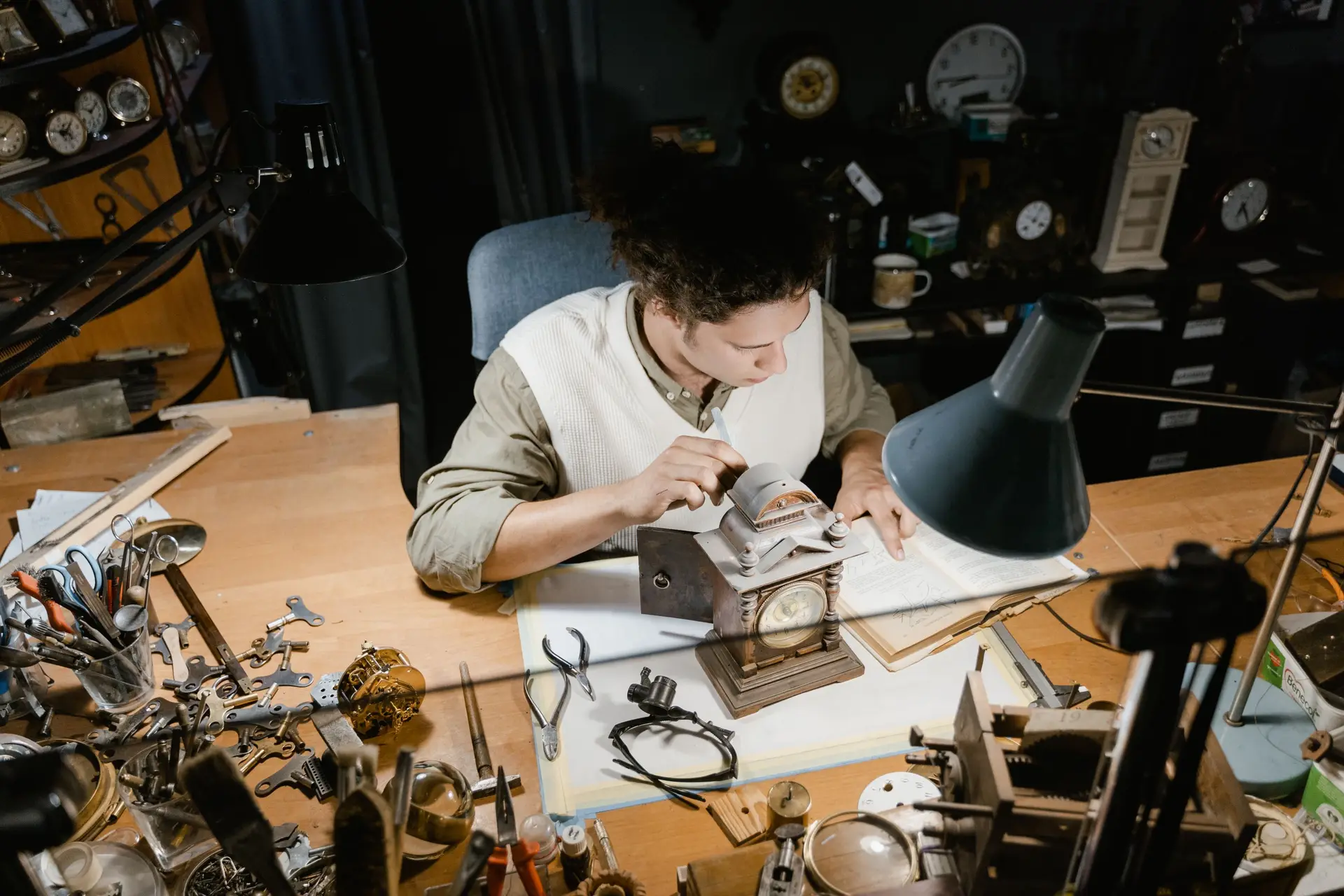
A timepiece can fail for several overlapping reasons. Replacing the first visibly worn component may not address the actual cause.
We inspect the movement architecture, wear patterns, lubrication state, corrosion, previous repair marks, train freedom, escapement condition and case fit before defining the work. For clocks, we also consider pendulum geometry, striking or chiming systems, mounting and the environment in which the clock operates.
A clear workshop path
We identify the movement, visible condition, symptoms and any evidence of earlier intervention.
A proposed scope separates necessary repair from optional cosmetic or conservation work.
Approved work is completed with parts and adjustments selected for the individual mechanism.
Function, rate, power delivery and relevant complications are checked before collection or return.
Our approach
Repair should improve function without erasing the evidence that makes an old timepiece itself.
“A good restoration does not make every object look new. It makes the mechanism coherent, dependable where possible, and honest about its age.”
Selected bench work
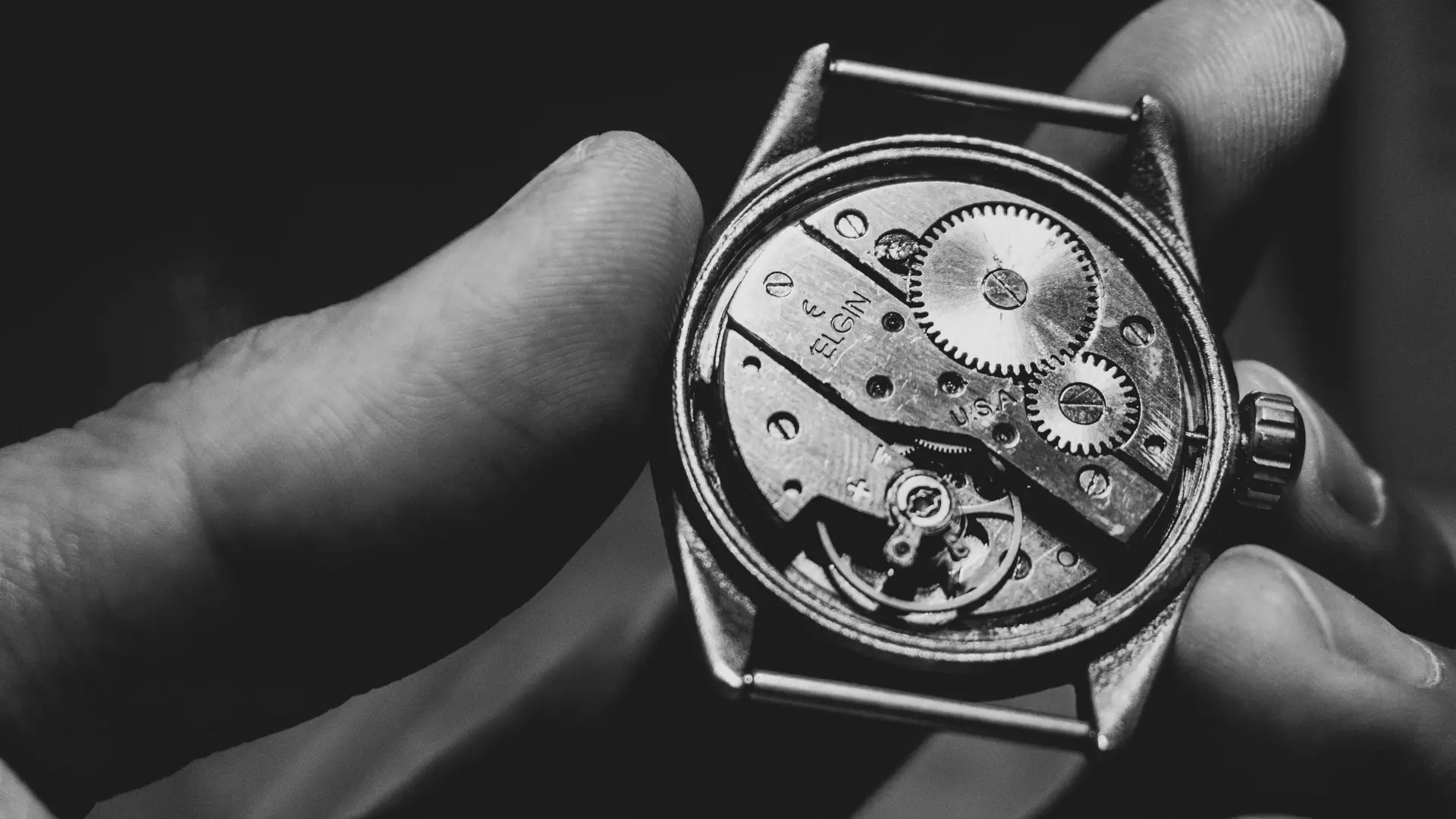
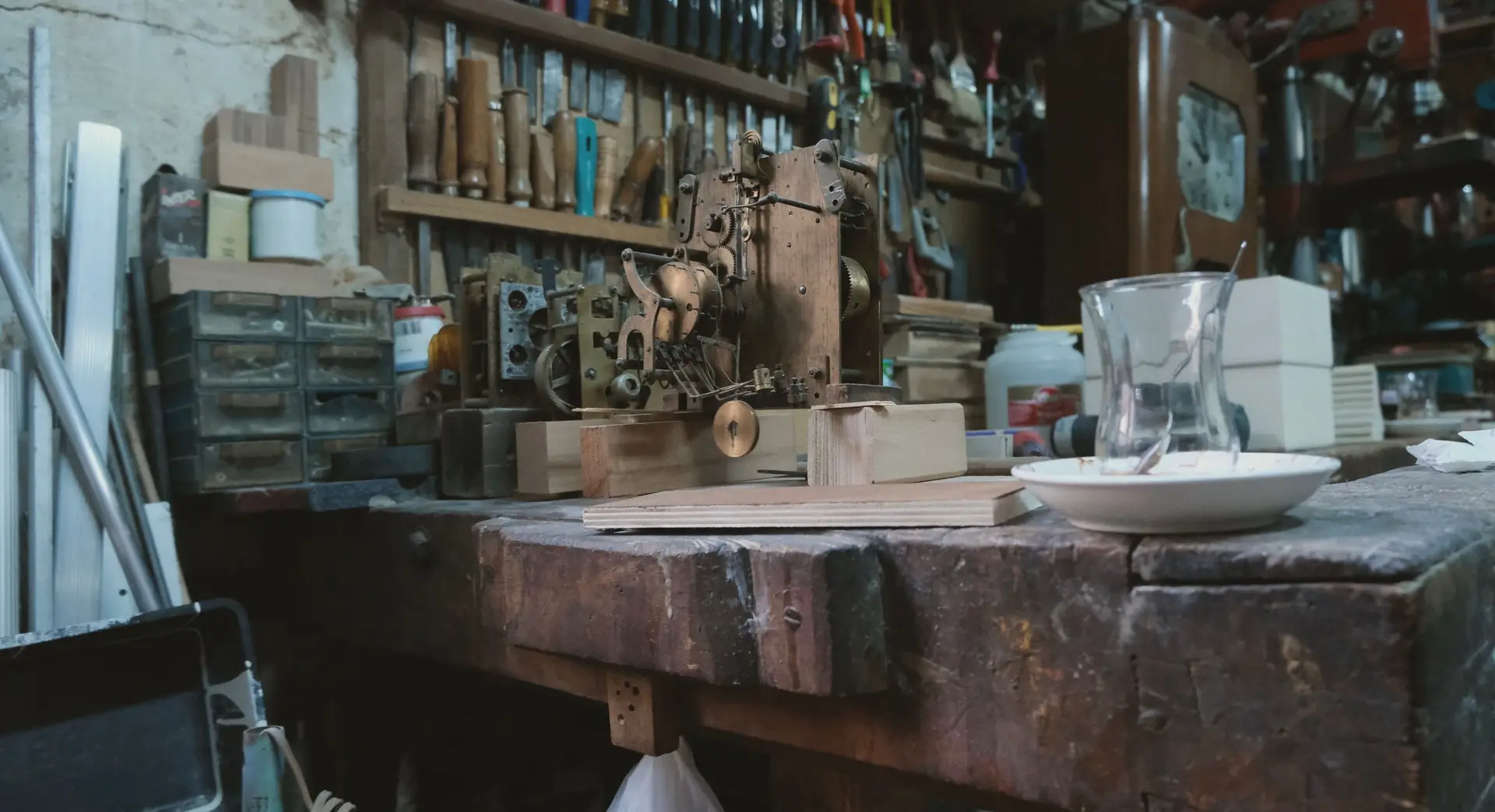
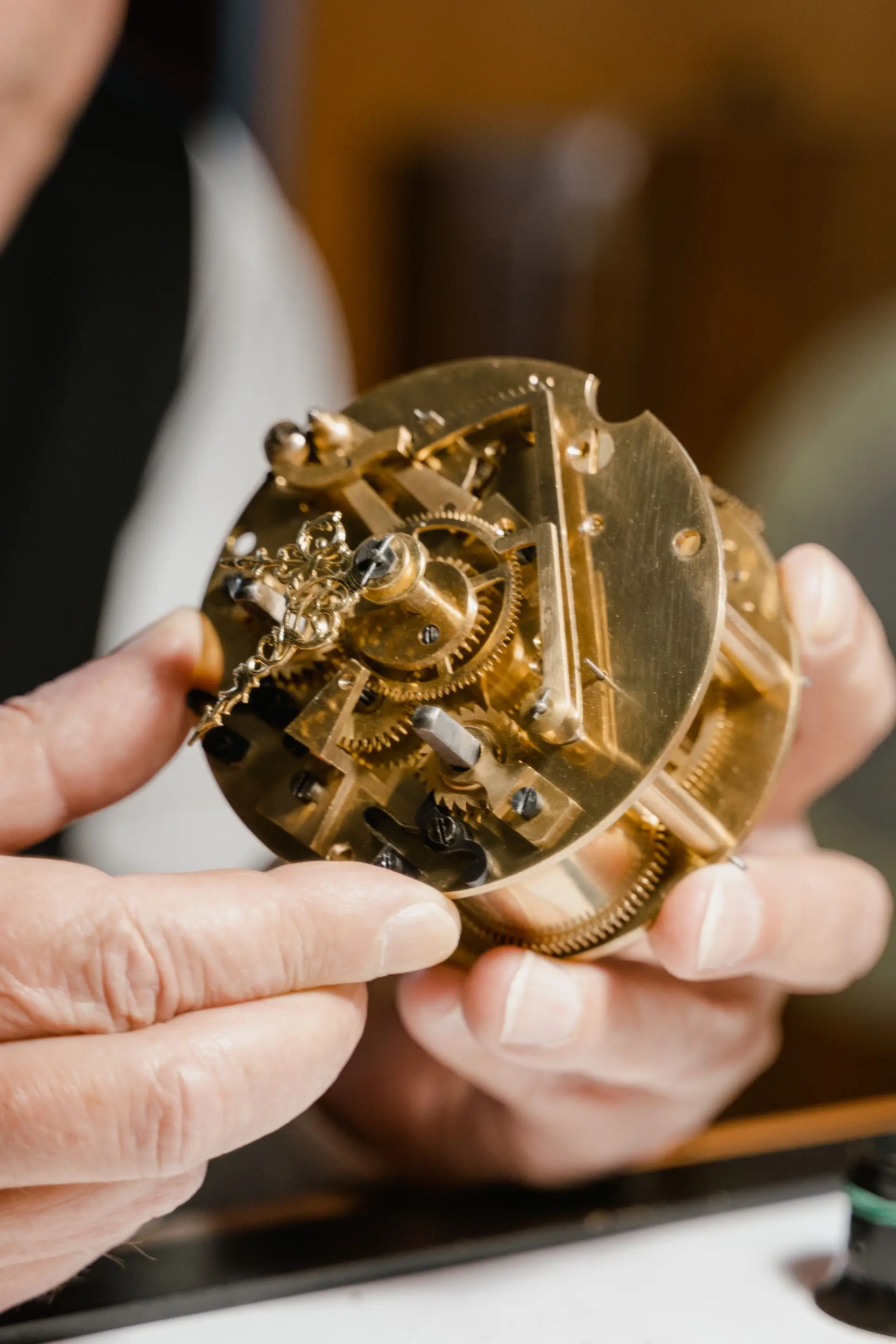
These images show the scale and variety of practical horology: exposed watch movements, clock trains and component-level work where clean handling and controlled intervention matter.
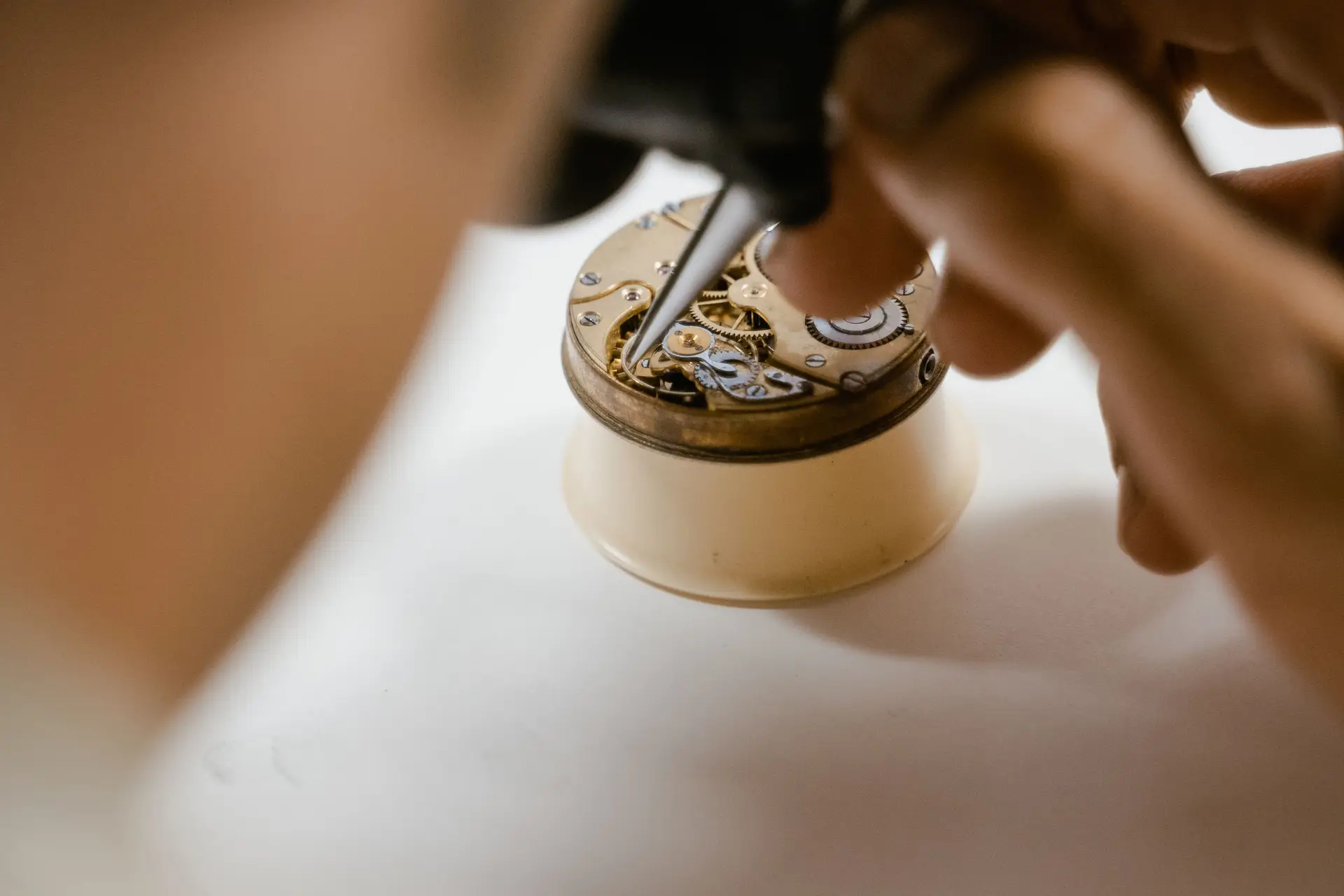
Movement inspection
Magnified inspection helps distinguish dirt, dried lubricant, impact damage, wear and earlier repair work before components are disturbed.
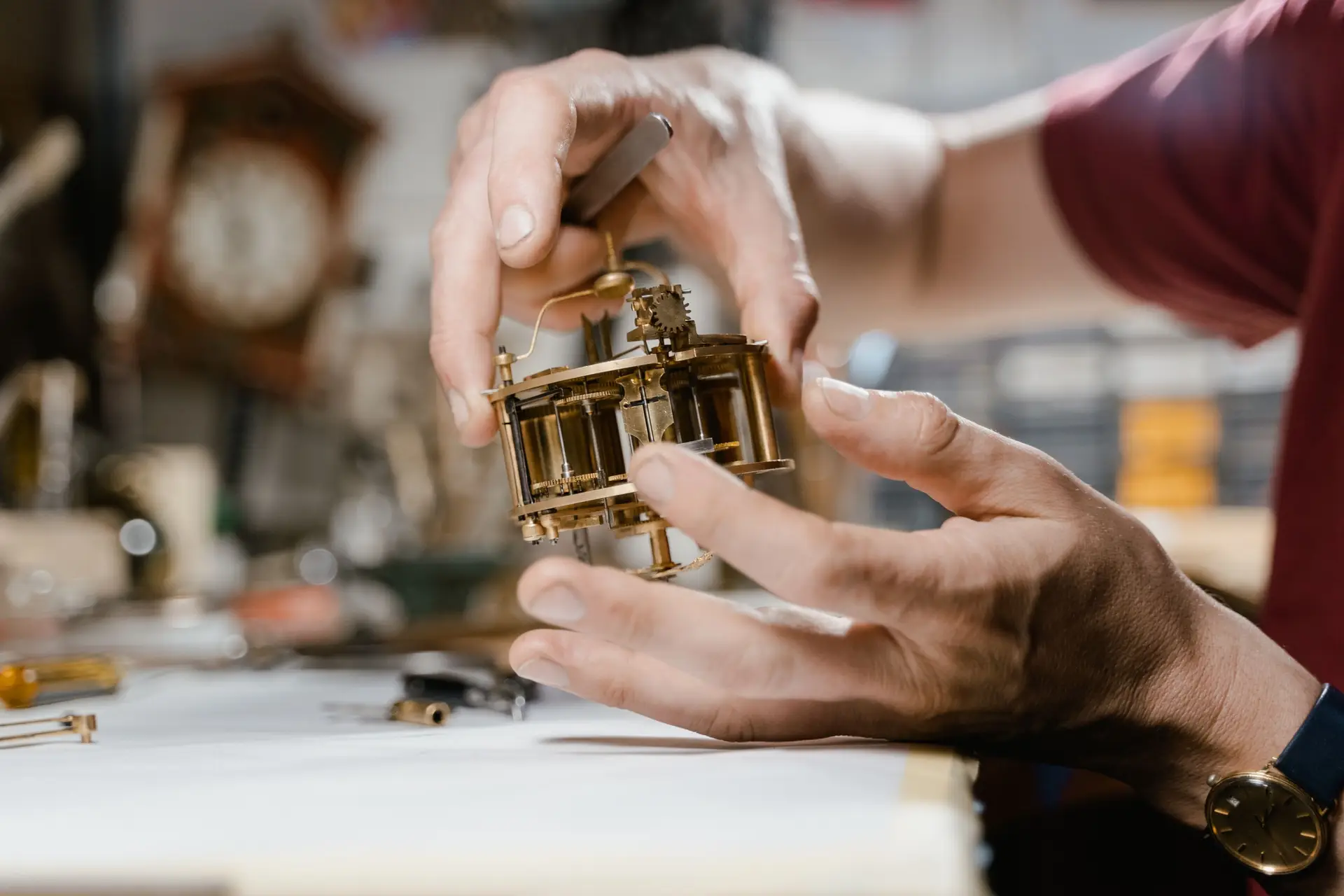
Clock work
Clock repair considers pivots, bushings, wheel alignment, escapement geometry and the way force travels through the entire mechanism.
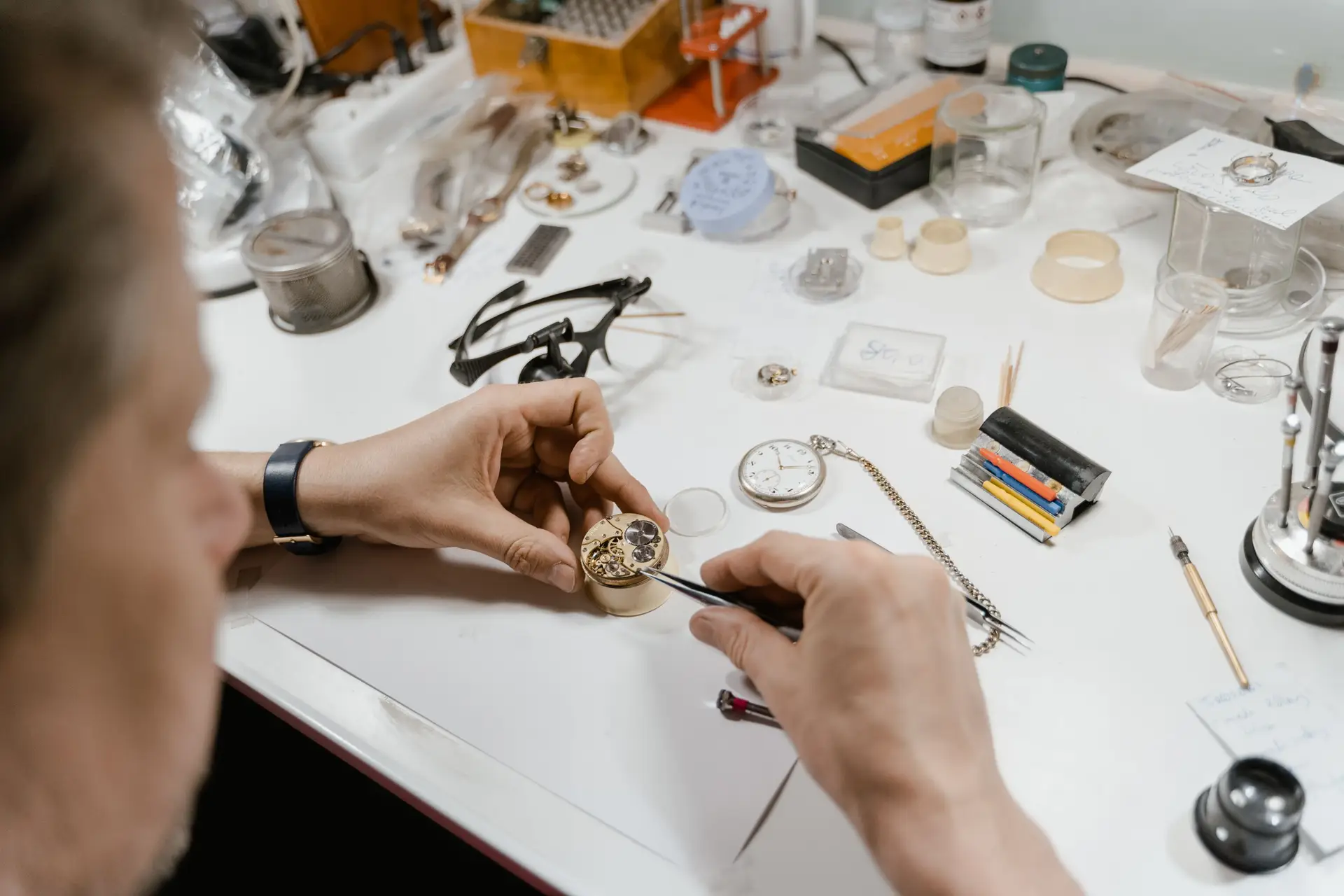
Component care
Small parts are handled and organised so that inspection, cleaning and reassembly remain traceable throughout the job.
Tell us what the timepiece is, what it is doing now, and any repair history you know. We can then advise on the most useful next step.